A Therapist for CPTSD Who Understands Long-Term Trauma
If you’re looking for a therapist for CPTSD, chances are you already know this isn’t “just anxiety” or something you can think your way out of.
Complex PTSD develops from long-term, relational, or developmental trauma — often without a single defining event. It shapes how you relate to yourself, your body, and other people over time.
I work as a therapist for CPTSD online and in-person in San Diego, supporting adults who are living with the lasting effects of complex trauma and want therapy that actually reflects that reality.
What CPTSD Can Feel Like
CPTSD doesn’t always look dramatic on the outside.
Often, it shows up as patterns that quietly shape daily life.
You may notice:
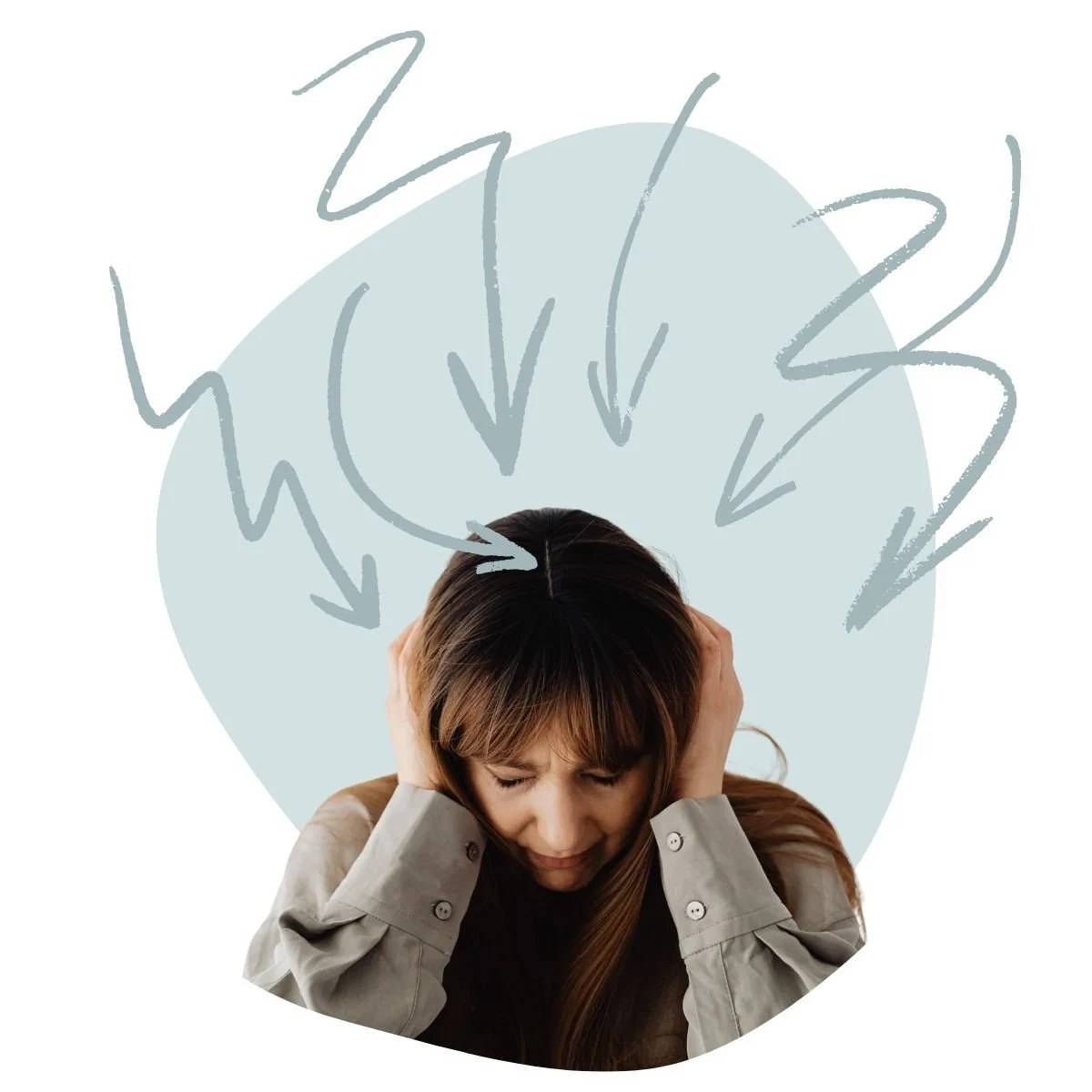
Strong emotional reactions that feel disproportionate or hard to regulate
Chronic shame, self-blame, or a harsh inner critic
Difficulty feeling safe in relationships — even healthy ones
Emotional numbness, dissociation, or feeling disconnected from yourself
Persistent anxiety, exhaustion, or difficulty resting
A sense of “knowing what happened” but still feeling stuck
These are not character flaws. They are adaptive responses to long-term emotional injury.
How Therapy for CPTSD Helps
Therapy for CPTSD focuses on long-term nervous system change, not quick symptom management.
Rather than treating CPTSD as a checklist of symptoms, our work centers on:
Building emotional and physiological regulation
Reducing chronic shame and self-criticism
Understanding trauma responses without pathologizing them
Supporting safer attachment and relational patterns
Increasing a sense of internal stability and self-trust
Progress in CPTSD therapy is often gradual — but deeply meaningful.

My Approach as a CPTSD Therapist
As a therapist for CPTSD, my approach is trauma-informed, relational, and paced with care.
I draw from evidence-based trauma approaches — including EMDR, Internal Family Systems (IFS), schema-informed work, and somatic methods — always guided by what helps your system feel safest and most supported.
You can expect…

A steady, non-judgmental therapeutic presence

Respect for boundaries, pacing, and consent


Clear explanations of trauma patterns and reactions
Therapy that doesn’t rush or retraumatize
CPTSD requires a different kind of therapy — one that understands complexity rather than minimizing it.
CPTSD, Attachment, and Relationships
Many people with CPTSD struggle most in relationships — not because they don’t care, but because closeness once felt unsafe or unpredictable.
Therapy for CPTSD can help:
Reduce anxious-avoidant cycles
Understand attachment patterns without blame
Build healthier boundaries and reciprocity
Feel safer expressing needs and emotions
Relational healing happens through steadiness, not pressure.

Therapy for CPTSD Online and In-Person in San Diego
I offer online therapy for CPTSD, allowing you to work from a space that may already feel more regulating and familiar.
I also offer EMDR therapy for CPTSD.
Many clients with complex trauma find online therapy especially supportive — reducing performance pressure and making it easier to stay present and grounded.
Online sessions are available to clients in states where I am licensed.

Who This CPTSD Therapy Is For
Working with a therapist for CPTSD may be a good fit if you:
Identify with complex or developmental trauma
Have tried therapy before and felt misunderstood or rushed
Experience shame, dissociation, or emotional dysregulation
Want therapy that addresses long-term patterns, not just symptoms
Are looking for a therapist who can hold emotional intensity calmly
You don’t need to prove your trauma to deserve support.


About Richard
I’m Richard Brouillette, a licensed trauma therapist with advanced training in EMDR therapy. Clients often describe our work as calm, clear, and grounding — focused on real change without pressure or re-traumatization. My role is to provide a steady, informed presence so trauma processing can happen safely and effectively.
Frequently Asked Questions About CPTSD Therapy
-
Complex PTSD (CPTSD) develops from long-term or repeated trauma, often within relationships or early life, rather than from a single traumatic event. CPTSD commonly involves difficulties with emotional regulation, shame, self-worth, relationships, and a persistent sense of threat or unsafety.
-
You may benefit from working with a therapist for CPTSD if you’ve tried therapy before but felt misunderstood, rushed, or focused only on surface symptoms. CPTSD often requires a slower, more relational approach that understands long-term trauma patterns rather than isolated events.
-
No. You don’t need a diagnosis to work with a therapist for CPTSD. Many people recognize themselves in descriptions of complex trauma without having a formal label. Therapy focuses on your lived experience, not on meeting diagnostic criteria.
-
Therapy for CPTSD focuses on long-term nervous system regulation, reducing shame and self-criticism, and supporting safer relationships with yourself and others. The work is paced carefully and emphasizes understanding and stability rather than pushing emotional exposure.
-
Yes. While related, CPTSD therapy places greater emphasis on relational trauma, attachment patterns, and chronic emotional responses. It often requires more attention to pacing, safety, and trust than trauma therapy for single-incident experiences.
-
Yes. Many people with CPTSD struggle most in relationships due to early experiences of inconsistency, neglect, or emotional harm. CPTSD therapy can help you understand these patterns, reduce reactivity, and build healthier boundaries and connections over time.
-
Yes. Online therapy for CPTSD can be very effective, especially for clients who feel safer and more regulated in their own environment. Many people find that online sessions reduce pressure and make it easier to stay grounded during therapy.
-
There is no fixed timeline. CPTSD therapy is often longer-term, but progress happens gradually and sustainably. The pace depends on your goals, history, and what your nervous system can comfortably tolerate.
-
CPTSD therapy often integrates trauma-informed approaches such as EMDR, Internal Family Systems (IFS), schema therapy, and somatic methods. These approaches are used flexibly and thoughtfully, based on what supports safety and regulation.
-
The best way to know is through a conversation. A free 20-minute consultation allows you to ask questions, get a sense of my approach, and see whether working together feels like a good fit — without pressure or obligation.
-
The first step is reaching out to schedule a consultation. You don’t need to be certain or fully ready — just open to exploring whether this support feels right for you.
Next Steps
CPTSD healing isn’t about pushing yourself harder. It’s about finding therapy that understands the depth and duration of what you’ve lived through.
If you’re looking for a therapist for CPTSD, we can start with a free 20-minute consultation to see if working together feels like a good fit.