About me
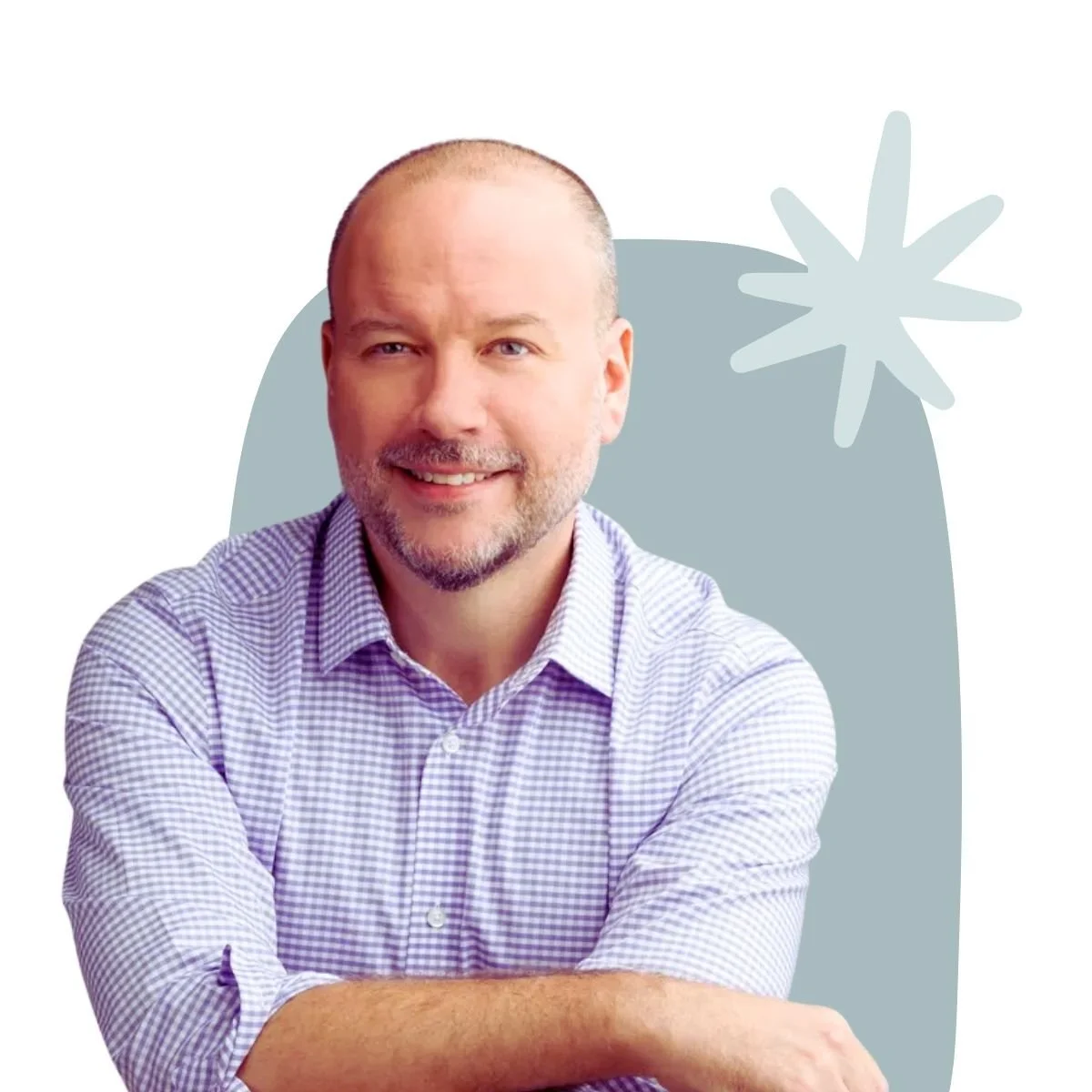
What It’s Like to Work With Richard Brouillette, LCSW
Therapy works best when you understand what you’re stepping into and feel respected in the process. My approach is collaborative, paced, and grounded in clarity — not guesswork.
A trauma therapist and writer
I'm a licensed clinical social worker with over fifteen years of experience helping adults heal from complex trauma. I'm also the author of Your Coping Skills Aren’t Working, a book about parts work, self-dialogue and what actually helps.
My writing on mental health has appeared in the New York Times (“Why Therapists Should Talk Politics”, an essay about how reality enters therapy), and the San Diego Union-Tribune (“The human bond is crucial to therapy, and it can’t be replicated by AI”). I am also an expert opinion blogger with Psychology Today. I write about the same questions that drive good therapy: How do people change, and what gets in the way?
Below are some of the priorities that guide how I work.
Consultation & Understanding
Our initial sessions are a chance for me to develop a thoughtful, detailed understanding of what I believe is happening for you — and to share clearly how I think therapy could help. If the approach I suggest feels right to both of us, we move forward together.
Client Portal & Communication
I use the HIPAA-compliant platform SimplePractice for secure messaging and document sharing between sessions. A client portal app is available for iOS, allowing for confidential communication and easy access to shared materials.
Your Background & Pace
Having practiced psychoanalysis for over a decade, I deeply value the role early life experiences play in shaping adult emotional patterns. At the same time, trust is built over time. We move at your pace, with attention to safety, curiosity, and respect for your limits.
A Collaborative Treatment Plan
We’ll work together to create a treatment plan that includes goals and a general timeline. Think of this as a shared map — something we return to occasionally to stay oriented and to give you clarity about what to expect.
Support, Skill-Building & Change
As therapy unfolds, we begin focusing on practical change: building new skills, shifting internal dialogue, and caring for emotions in more sustainable ways. Sessions balance support for what you’re navigating day to day with practices that help you build long-term resilience, self-care, and inspiration.
My Approach
I believe we are healthiest when we feel at home with the many thoughts, emotions, contradictions, and internal voices that make us human.
My work draws on trauma-focused, parts-based, and body-aware approaches to support::
Parts work and Internal Family Systems (IFS), to connect with the voices that shape your inner experience, and to understand and work with them with curiosity and compassion rather than judgment or pressure
Helping the parts of you carrying old pain feel heard, while strengthening the part of you that can lead with steadiness and set healthy limits
EMDR-informed care, to help the nervous system process experiences that still feel stuck, reducing their emotional intensity over time
Developing your own compassionate, effective approach to self-talk through home practice
Practical tools drawn from CBT and mindful self-compassion, to help manage day-to-day anxiety and depression while we address their deeper roots
I explore this process in depth in my book, and I also integrate CBT-based tools to help manage daily symptoms of anxiety and depression as we address their deeper roots through parts work.

My Story
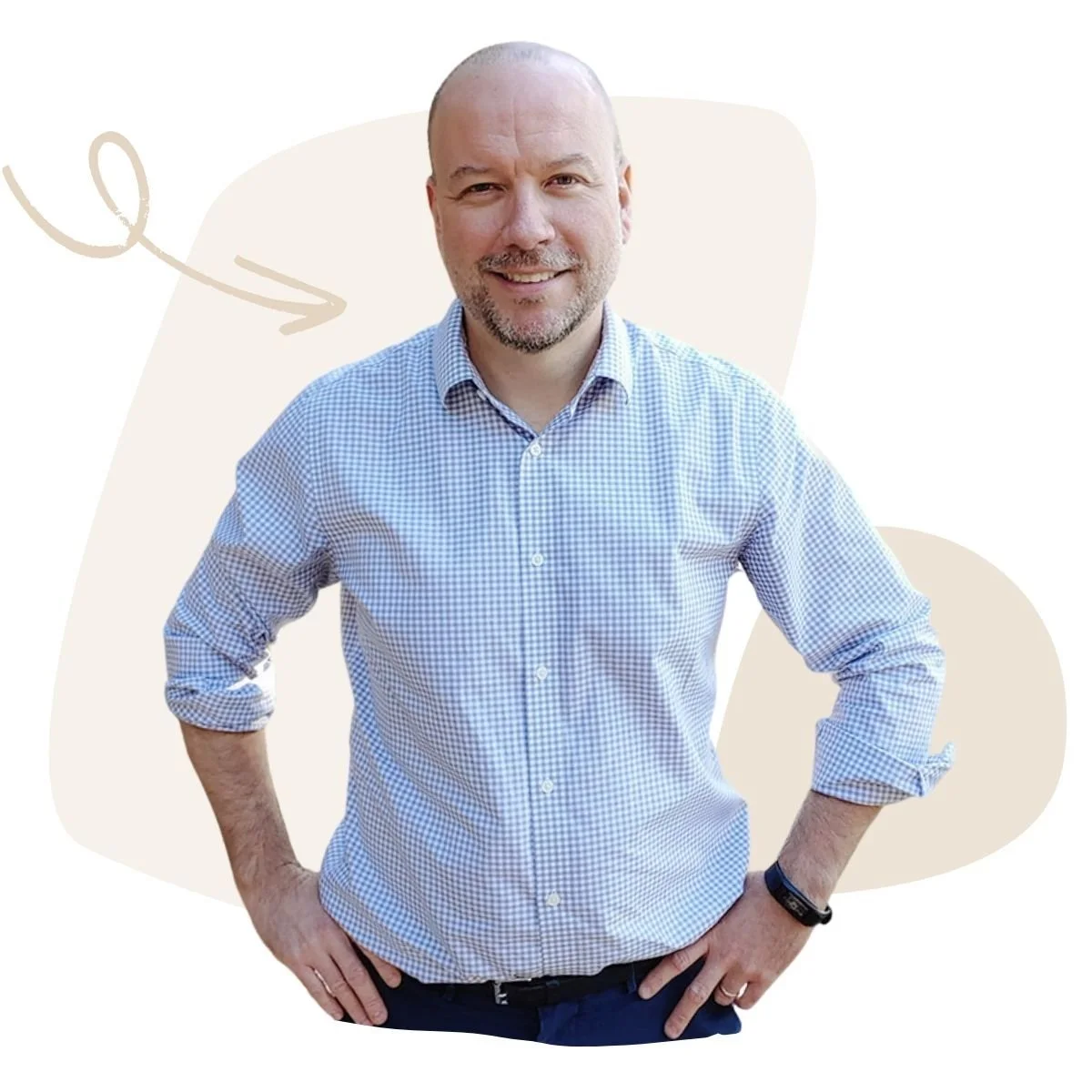
Hi, I’m Richard (he/him). I’m a clinical social worker, psychotherapist, and writer. I hold anti-oppressive values and affirm BIPOC, kink-positive, neurodiverse, and 2SLGBTQIA+ individuals and communities.
Although I’m based in San Diego, my path began in Chicago, where I first studied film and became fascinated by how stories shape identity and meaning. This led me to philosophy, literature, and a degree in French, including a year of study at the Sorbonne in Paris.
After returning to Chicago, I volunteered as a French interpreter for psychotherapy with political asylees who were survivors of torture. This work — at the Marjorie Kovler Center — was formative, and it set the course for my career in trauma-informed, anti-oppressive psychotherapy.
In New York City after 9/11, I worked in community organizing with the International Trauma Studies Program and the Downtown Community Resilience Project, while also training with the Bellevue/NYU Program for Survivors of Torture.
Over the years, I’ve worked as:
A community organizing program director
A staff psychotherapist in a Bronx community mental health center
A consultant and evaluator for survivors of torture and asylum applicants
I’ve been in private practice for over 15 years.
While my training includes extensive psychoanalytic study, my work has always been guided by a simple question: What actually helps people change?
My approach integrates insight, creativity, kindness, and evidence-based methods — without allegiance to any single dogma.
Creativity, Mindfulness & Values
I hold a Certificate in Novel Writing from San Diego Writers Ink and continue writing fiction. Creative practice deeply informs my therapeutic work — especially in how we reshape narratives and points of view with care.
I practice in the Plum Village tradition of Buddhism, which informs my understanding of mindfulness in mental health, while respecting the distinction between therapeutic mindfulness and spiritual practice. I also support the East Bay Meditation Center.
I continue to work on a low-bono basis with survivors of torture through Survivors of Torture International in San Diego, where I was recently honored as a keynote speaker for my service.

Professional Background
Education
MSW, Fordham University School of Social Service
BA, University of Illinois at Chicago
Professional Affiliations
National Association of Social Workers
International Society for the Study of Trauma and Dissociation
World Professional Association for Transgender Health
American, New York State, and Los Angeles Psychological Associations (affiliate)
The American Professional Society of ADHD and Related Disorders
Inclusive Therapists
Therapist Neurodiversity Collective
Post-Graduate Training (Selected)
Harvard Medical School – Global Mental Health, Trauma & Recovery
Advanced Certificate in Complex Trauma & Dissociation (ISST-D)
Frank Anderson’s Internal Family Systems (IFS) Trauma Treatment Four-Month Certificate
EMDR Basic Training
Schema Therapy Certification (NJ-NYC Institutes)
Beck Institute for Cognitive Behavioral Therapy
UC San Diego – Mindful Self-Compassion
Contemporary Psychoanalysis (IPTAR)
Lacanian Psychoanalysis (Après-Coup)





Work With Me
If you’re curious about working together, the best place to start is a conversation.
You’re welcome to schedule a free 20-minute consultation to see whether this feels like a good fit.